

While some people may believe that most dental procedures require the same level of experience, there are actually many separate areas of dentistry that require a specialist. There are multiple conditions and illnesses that require the experience of an endodontic surgeon instead of a general dentist. When a nonsurgical root canal or other procedure is not enough for treatment, endodontic surgery may be the better solution.
The type of issues an endodontist treats
An endodontist will mainly use endodontic surgery when non-surgical procedure are not enough or when the fracture is small enough that they are not visible on X-rays. In other cases, endodontic surgery may also be necessary to remove calcium deposits in root canals. While the tooth can seem fairly normal on the surface, there can be an infection or other health issue underneath that is causing more problems.
Various reasons for endodontic surgery
A few possible scenarios in which endodontic surgery is a necessary treatment option:
- Treating persistent symptoms that do not go away with regular dental procedures
- Treating a canal that calcium deposits make too narrow for traditional root canal tools
- Treating a tooth that already underwent a root canal but is now infected
- Treating serious damage to the root surfaces or surrounding bone
There are cases in which an individual has a small fracture or canal that a dentist cannot notice on the X-ray. With endodontic surgery, the endodontist will be able to examine the entire root of the tooth and treat the problem. There is also a process known as calcification, in which calcium deposits form around the root and make the canal too narrow for a non-surgical root canal. In these cases, an endodontist will need to use surgery to clean the tooth and then re-seal it. Since each part of the tooth affects each other and the other components of the mouth, it is crucial to seek professional care. In some patients who receive a non-surgical root canal from a general dentist, there is a chance that the root will not heal properly and cause an infection to form. When this happens, it is crucial to seek endodontic surgery from a professional endodontist. If you do not treat the tooth soon, you will feel intense pain that makes daily tasks nearly impossible. People may go months or years after a root canal without any problems and suddenly have the pain strike.
Check out what others are saying about our dental services on Yelp: Endodontic Surgery Greenacres
The process
What you need to know
A common procedure that endodontists perform on a regular basis is known as the apicoectomy. During this procedure, the endodontist opens the gum tissue by the tooth and examines the underlying bone. If necessary, the endodontist will remove any inflamed or infected tissue along with the end of the root. The endodontist may need to then place a small filling at the end of the root canal along with a few stitches or sutures to help the tissue heal properly. After completing this procedure, the bone will naturally heal around the end of the root over the next few months following the procedure. Since this is only one type of endodontic surgery, it is important to ask all questions during the consultation in order to fully understand your specific situation. The other procedures are all designed to help save the tooth and prevent having to extract it entirely. If you have any concerns about feeling pain during the surgery, do not worry. While you may feel some swelling and soreness following the procedure, there will not be much of any pain. In fact, the anesthesia will wear off and you will most likely be able to drive yourself home from the appointment. However, be sure to clarify with the endodontist if it is alright for you to drive yourself or if you need to have someone else drive you. In most cases, it is best to take the remainder of the day to relax. While many people return to normal routines the next day, your endodontist will be able to go over the best course of action during the appointment. If you are in pain following general dental procedures and are unsure of why, see an endodontist as soon as possible. An endodontist can ensure the pain goes away and the teeth remain in good health.
If you live in the Greenacres area, call (561) 649-6446 to schedule your dental exam so that you can remain in good health or receive treatment for a current condition.
Questions Answered on This Page
Q. What can an endodontist treat?
Q. What is the process for a typical endodontist?
Q. Will there be any pain during surgery?
People Also Ask
Q. Can the tooth hurt without noticeable damage?
Q. How do I know if I need a root canal?
Q. What treatments does an endodontist offer?
Definition of Endodontic Terminology
Cementum: Cementum is that bone-like tissue that forms the outer surface on the root of the tooth.
Dental Pulp: Dental pulp is the inner-most layer of the tooth with connective tissue that contains blood vessels and nerve tissue.
Dentin: Dentin is the inner layer of the tooth structure that is immediately under the enamel and surrounds the dental pulp.
Direct Pulp Cap: A direct pulp cap is a procedure in which a professional treats exposed pulp with a therapeutic material to help the tooth heal.
Enamel: The enamel is the hard calcified layer that covers the entire tooth and is subject to interaction with multiple substances.
Endodontist: An endodontist is a specialist who focuses on treating issues, diseases and conditions that affect the inner-most layer of the tooth, the dental pulp.
Pulpectomy: A pulpectomy is a procedure that involves the complete removal of pulp tissue from the root canal in a tooth.
Pulpitis: Pulpitis is another term to describe the inflammation of the dental pulp due to an injury or infection.
Pulpotomy: A pulpotomy is a procedure involving the removal of a portion of diseased or infected pulp in order to protect the healthy portions of the pulp and teeth still in the mouth.
Root Canal Specialist: A root canal specialist is a dentist who has the skills and goes through the specific training to offer root canals and other similar procedures.
Helpful Related Links
- American Dental Association (ADA). Glossary of Dental Administrative Terms. 2015
- American Academy of Cosmetic Dentistry® (AACD). Home Page. 2015
- WebMD. WebMD’s Oral Care Guide. 2015
About our business, license, and website security
- Lake Worth Dentistry was established in 2020.
- We accept the following payment methods: American Express, Cash, Check, Discover, MasterCard, and Visa
- We serve patients from the following counties: Palm Beach County
- We serve patients from the following cities: Greenacres, Lake Worth, Atlantis, Lantana, Boynton Beach, West Palm Beach, Wellington, Palm Beach Gardens and Delray Beach
- FL (License #DN18878). View License Information and Specifics
- National Provider Identifier Database (1558690974). View NPI Registry Information
- Healthgrades. View Background Information and Reviews
- Norton Safe Web. View Details
- Trend Micro Site Safety Center. View Details
Back to top of Endodontic Surgery
Greenacres, FL Need a Root Canal? Tooth Extraction?
Related Topics
Related Posts
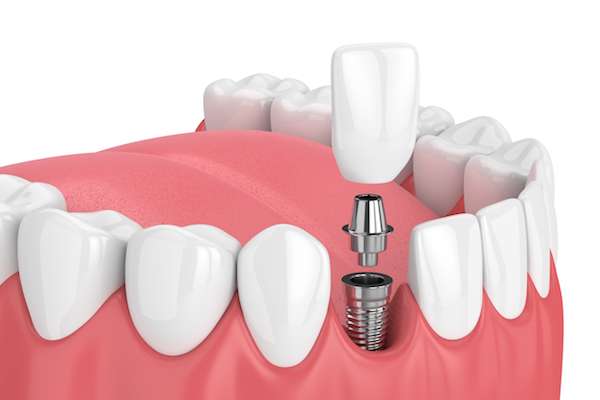
How Painful Is Dental Implant Surgery
Dental implant surgery is one of the most reliable and long-lasting ways to replace missing teeth. However, since this surgery involves inserting an artificial tooth root into the jawbone, it almost always causes some amount of pain. Before undergoing this surgery, many dental patients are worried about the level of pain they may experience afterward…
Invisalign Compliance Tips In Greenacres, FL | Lake Worth Dentistry
Understanding why Invisalign patients who skip cleaning routines fail in Greenacres City can save your smile — and your investment. Many patients start treatment with great excitement. But some lose momentum quickly. The difference between success and failure often comes down to daily habits.At Lake Worth Dentistry, Dr. Naved Fatmi sees this pattern regularly. Patients…
Braces Results Longevity In Greenacres, FL | Lake Worth Dentistry
Many patients in Greenacres ask the same question after treatment: do braces results last forever, or will your teeth shift back? It is a completely valid concern. You invested time, effort, and commitment into straightening your smile. Understanding what affects your results long-term helps you protect that investment for years to come.Dr. Naved Fatmi at…
Your First-Time Guide To Dental Crowns In Palm Springs
If you're considering dental crowns Palm Springs for the first time, you probably have questions. Maybe you're feeling a little anxious about what happens during the procedure. That's completely normal, and you're not alone.Many first-time patients in Palm Springs worry about the same things. Will it hurt? How long does it take? What exactly is…