Important Things Parents Should Know About Treating Cavities in Kids
Cavities are one of the most common childhood health issues, yet many parents are surprised when they hear their child needs dental treatment. Baby teeth may be temporary, but they play a big role in speech, nutrition, and guiding adult teeth into the right position. Ignoring decay early can lead to pain, infections, and bigger dental problems later on.
For families in Greenacres and nearby Lake Worth, busy school schedules, after-school activities, and sports can make dental care easy to push aside. But knowing how cavities form, how they’re treated, and how to prevent them can make all the difference. When parents feel informed and confident, kids feel calmer too—and that’s half the battle.
This guide walks you through what really matters when it comes to treating cavities in children, using simple language and practical advice you can actually use.
How Cavities Develop in Children
Cavities don’t happen overnight. They form when bacteria in the mouth feed on sugars and produce acids that weaken tooth enamel. Kids are especially vulnerable because:
-
They snack more often during the day
-
Brushing techniques are still developing
-
Baby teeth have thinner enamel than adult teeth
Add juice boxes, sports drinks, or bedtime milk to the mix, and decay can progress quickly—sometimes without obvious pain at first.
Why Early Treatment Matters More Than You Think
Some parents assume cavities in baby teeth aren’t urgent since those teeth will eventually fall out. In reality, untreated decay can:
-
Cause toothaches that affect eating and sleep
-
Lead to infections that spread to other teeth
-
Impact speech development
-
Increase anxiety about dental visits later in life
Seeing a Kid Friendly Dentist Greenacres families trust early on helps children associate dental care with comfort and safety, not fear.
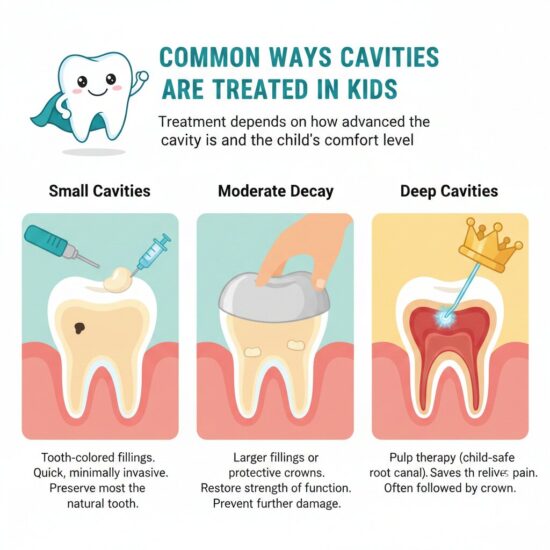
Common Ways Cavities Are Treated in Kids
Treatment depends on how advanced the cavity is and the child’s comfort level.
Small Cavities
-
Tooth-colored fillings
-
Quick, minimally invasive
-
Preserve most of the natural tooth
Moderate Decay
-
Larger fillings or protective crowns
-
Restore strength and function
-
Prevent further damage
Deep Cavities
-
Pulp therapy (similar to a child-safe root canal)
-
Saves the tooth and relieves pain
-
Often followed by a crown
Dentists who regularly treat children focus on gentle techniques, calming language, and age-appropriate explanations to keep visits stress-free.
What Parents Can Do Before and After Treatment
Before the Appointment
-
Talk positively about the visit
-
Avoid words like “pain” or “needle”
-
Schedule earlier in the day when kids are rested
After Treatment
-
Follow eating instructions carefully
-
Monitor sensitivity (mild discomfort is normal)
-
Stick to a brushing routine, even on busy school nights
Consistency at home helps treatment last longer and prevents new cavities from forming.
Preventing Cavities: Simple Habits That Work
Prevention is always easier—and cheaper—than treatment.
Daily habits that protect young teeth:
-
Brushing twice a day with fluoride toothpaste
-
Flossing once daily (yes, even baby teeth)
-
Drinking water instead of sugary drinks
-
Limiting sticky snacks
Professional prevention includes:
-
Regular cleanings and exams
-
Fluoride treatments
-
Dental sealants for molars
For families around Greenacres, staying on schedule with preventive visits helps avoid emergency dental issues during school or sports seasons.
Helping Kids Feel Comfortable at the Dentist
Dental anxiety is common in children, especially during first visits. A welcoming environment, friendly staff, and patience go a long way. When kids feel heard and respected, they’re more likely to cooperate—and even look forward to future visits.
Parents play a key role too. Staying calm, encouraging questions, and celebrating bravery (even small wins) builds long-term confidence.
FAQs Parents Often Have
- At what age should cavity treatment begin?
- Are dental X-rays safe for children?
- Can cavities come back after treatment?
- How often should kids visit the dentist?
Final Thoughts & Next Steps
Cavities don’t have to be a scary experience—for kids or parents. With early care, gentle treatment, and strong prevention habits, children can grow up with healthy smiles and positive dental memories. If you’ve noticed sensitivity, discoloration, or your child avoiding certain foods, it may be time to schedule a visit.
The caring team at Lake Worth Dentistry is dedicated to making dental care comfortable, educational, and stress-free for local families. Book an appointment today and take the first step toward protecting your child’s smile for years to come.